
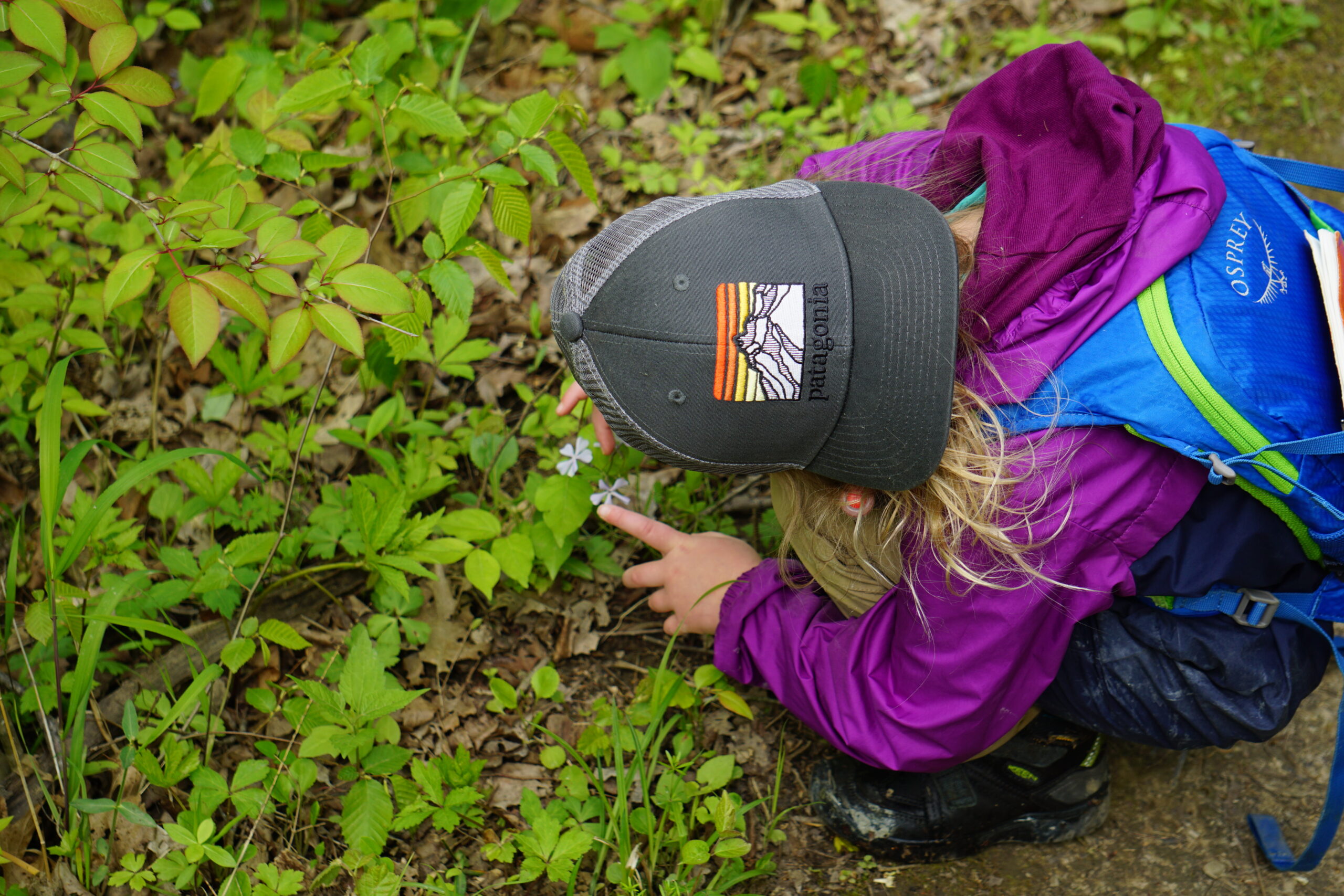
This post is original commentary inspired by recent local reporting and is intended to highlight broader research and community based efforts around outdoor access and health.
When Healthcare Looks Beyond the Clinic Walls
Conversations about health often center on appointments, medications, and treatment plans. Increasingly, healthcare providers are also recognizing the role that everyday environments play in long term well being. One environment in particular continues to stand out for its wide ranging benefits: time spent outdoors.
Research shows that regular exposure to natural spaces can support mental, physical, and emotional health across all ages, especially for children [1][2]. As this evidence grows, healthcare systems and community organizations are exploring ways to help families build outdoor time into their routines in more intentional and accessible ways.
Outdoor experiences as part of whole person care
Community based programs across the country are beginning to link healthcare with guided outdoor experiences. Rather than expecting families to plan activities on their own, these models connect patients with structured, supportive opportunities such as group walks, hikes, and nature based learning experiences.
Studies of nature based health interventions have found associations with improved mood, reduced stress, increased physical activity, and better cardiovascular markers [3][4]. Participants often report benefits that extend beyond individual health, including stronger family connections and increased confidence spending time outdoors together.
Megan Hood, owner of Hiking Hound Adventures, LLC and a physician assistant at Children’s Hospital of Philadelphia, was recently quoted in a Chestnut Hill Local article discussing why outdoor time should be viewed as foundational to health rather than optional. Her perspective reflects a broader shift within healthcare toward prevention, access, and long term wellness.
Why access to nature matters
While spending time outdoors may seem simple, access to safe and welcoming green spaces is not equal. Research has shown that communities with fewer resources often have less access to quality parks and outdoor infrastructure, which can contribute to broader health disparities [2][5].
Programs that intentionally reduce barriers such as cost, transportation, safety concerns, and lack of familiarity can play an important role in supporting families who might otherwise struggle to spend time outdoors. By working alongside healthcare providers, these programs also help reinforce the idea that outdoor experiences are an important part of a healthy lifestyle, not an extra or luxury.
Looking forward
As awareness grows around the connection between outdoor experiences and health, more communities are exploring ways to integrate nature into public health strategies. Nature based interventions are increasingly being studied as tools that complement traditional healthcare, particularly for children and families facing higher levels of stress and limited access to green space [3].
Efforts like these point toward a future where spending time outdoors is normalized as part of caring for both physical and mental health. By strengthening partnerships between healthcare providers, community organizations, and outdoor educators, communities can help ensure that more families have opportunities to experience the benefits of time in nature.
To learn more about how this approach is being applied locally, we encourage you to read the full article in Chestnut Hill Local:
Prescribing Nature: Program Treats Outdoor Recreation as a Health Necessity
Sources
[1] Bratman, G. N., et al. (2019). Nature and mental health: An ecosystem service perspective. Science Advances, 5(7). https://doi.org/10.1126/sciadv.aax0903
[2] Kondo, M. C., Fluehr, J. M., McKeon, T., & Branas, C. C. (2018). Urban green space and its impact on human health. International Journal of Environmental Research and Public Health, 15(3), 445. https://doi.org/10.3390/ijerph15030445
[3] Robinson, J. M., Breed, M. F., & Kerr, D. (2022). Nature prescriptions and their potential public health benefits: A systematic review. BMJ Open, 12(2).
[4] Zarr, R., Cottrell, L., & Merrill, C. (2017). Park prescription (DC Park Rx): A new strategy to combat chronic disease in children. Journal of Physical Activity and Health, 14(1), 1–7.
[5] South, E. C., Kondo, M. C., Cheney, R. A., & Branas, C. C. (2015). Neighborhood blight, stress, and health: A walking trial of urban green space. American Journal of Preventive Medicine, 49(3), 408–414.