
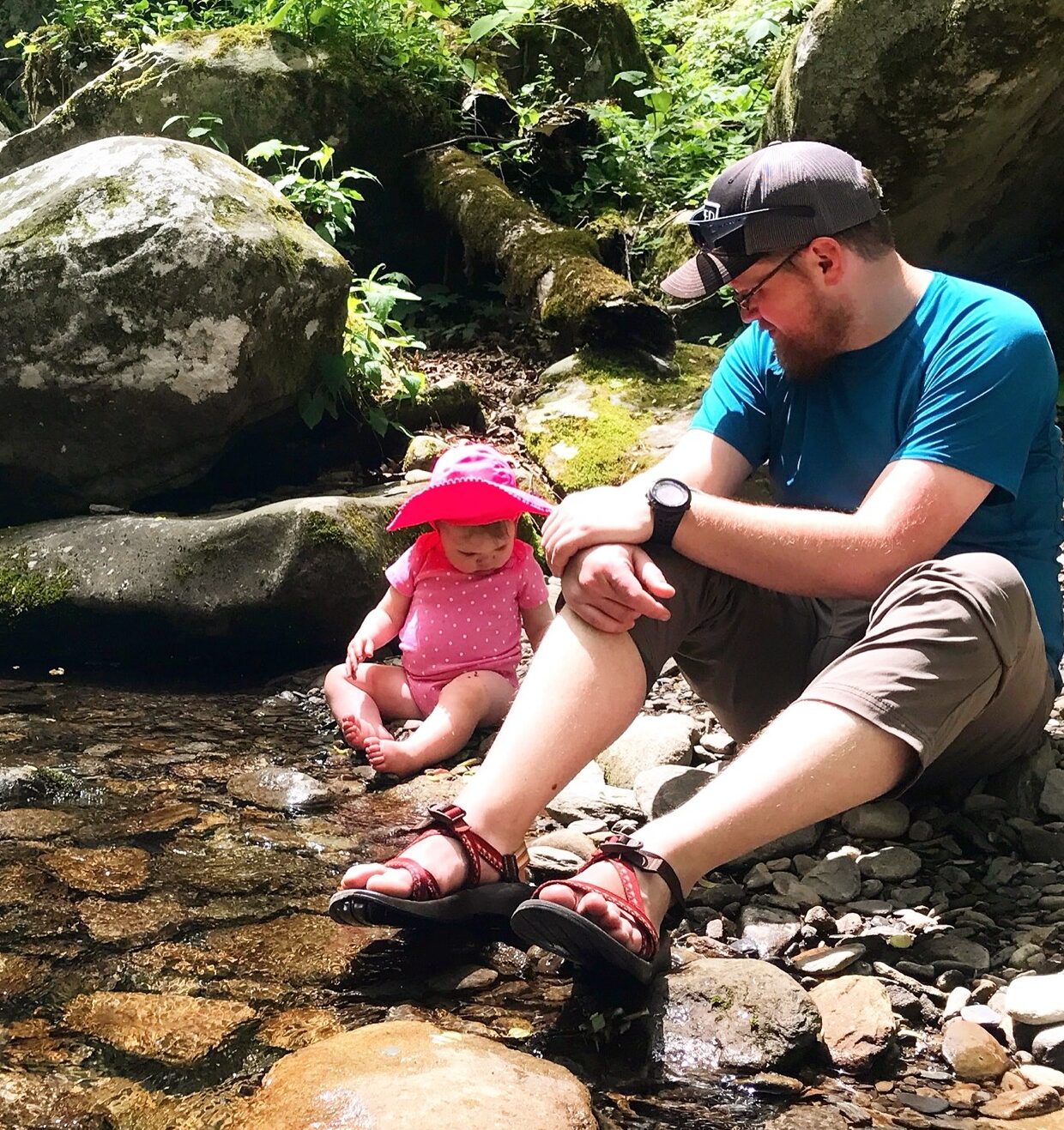
🦋 Spring is finally here, and if you’re like most parents, you’re probably feeling that mix of excitement and pressure to enjoy the fresh air. Between busy schedules, screen time battles, and unpredictable weather, getting kids outside can feel harder than it should.
The good news is it doesn’t have to be complicated. Small, simple changes can make a big difference, and they add up quickly.
Here are five realistic ways to help your kids spend more time outdoors this spring.

Start Small
(Really Small)
You don’t need to plan a full-day hike to make outdoor time count. In fact, shorter, low-pressure outings are often more successful—especially for younger kids.
Try:
- A 10-minute walk after dinner
- Playing in the yard before bedtime 🍃
- A quick stop at a local park on the way home
These “micro-adventures” build the habit without overwhelming your schedule. Research shows that even short bursts of outdoor time can improve mood and attention in children.

Let Them Lead
Kids are much more engaged when they feel in control. Instead of planning every detail, give them choices.
You might say:
- “Do you want to ride bikes or explore the trail?”
- “Should we bring a ball or go on a bug scavenger hunt?” 🐞
When kids take ownership, outdoor time becomes something they want to do, not something they’re told to do. This sense of autonomy is linked to higher motivation and enjoyment.

Make a Routine
The easiest way to make something stick? Attach it to something you already do.
Examples:
- Play outside right after school
- Saturday morning nature walks
- Family time outside before screen time begins 📱
Consistency matters more than duration. Regular outdoor time has been associated with better sleep, physical health, and reduced stress in children.

Make It Social
Everything is more fun with friends and that includes being outside.
Consider:
- Inviting another family to the park
- Organizing a weekend picnic 🍇
- Signing up for local group-based outdoor activities
This is also where structured programs can help. Our guided family outings and kids’ adventure sessions are designed to take the planning off your plate while giving kids a chance to explore, learn, and connect with others in a safe, supportive environment. It’s an easy way to add variety without adding stress to your schedule.

Keep It Messy & Flexible
Nature isn’t neat and that’s part of the fun.
Let kids:
- Jump in puddles ☔️
- Dig in the dirt
- Collect rocks, sticks, and leaves
Try to focus less on the “perfect” outing and more on the experience. Some of the best outdoor memories come from unplanned, slightly chaotic moments.
And if things don’t go as expected? That’s okay too. Flexibility helps kids develop resilience and creativity.
A Simple Start Goes a Long Way
You don’t need fancy gear, a packed itinerary, or hours of free time to help your kids enjoy the outdoors. A few small changes—done consistently—can make a meaningful impact on their health, happiness, and connection to the world around them.
If you’re looking for a little extra support (and a lot less planning), our family-friendly programs are a great way to get started. We focus on making outdoor adventures easy, engaging, and accessible for kids and parents.
Because sometimes, the hardest part is just getting out the door. 🌿
Sources
Deci, E. L., & Ryan, R. M. (2000). The “what” and “why” of goal pursuits: Human needs and the self-determination of behavior. Psychological Inquiry.
Gray, C., et al. (2015). What is the relationship between outdoor time and physical activity, sedentary behavior, and physical fitness in children? International Journal of Environmental Research and Public Health.
Louv, R. (2008). Last Child in the Woods: Saving Our Children from Nature-Deficit Disorder.
McCormick, R. (2017). Does access to green space impact the mental well-being of children? Journal of Pediatric Nursing.