
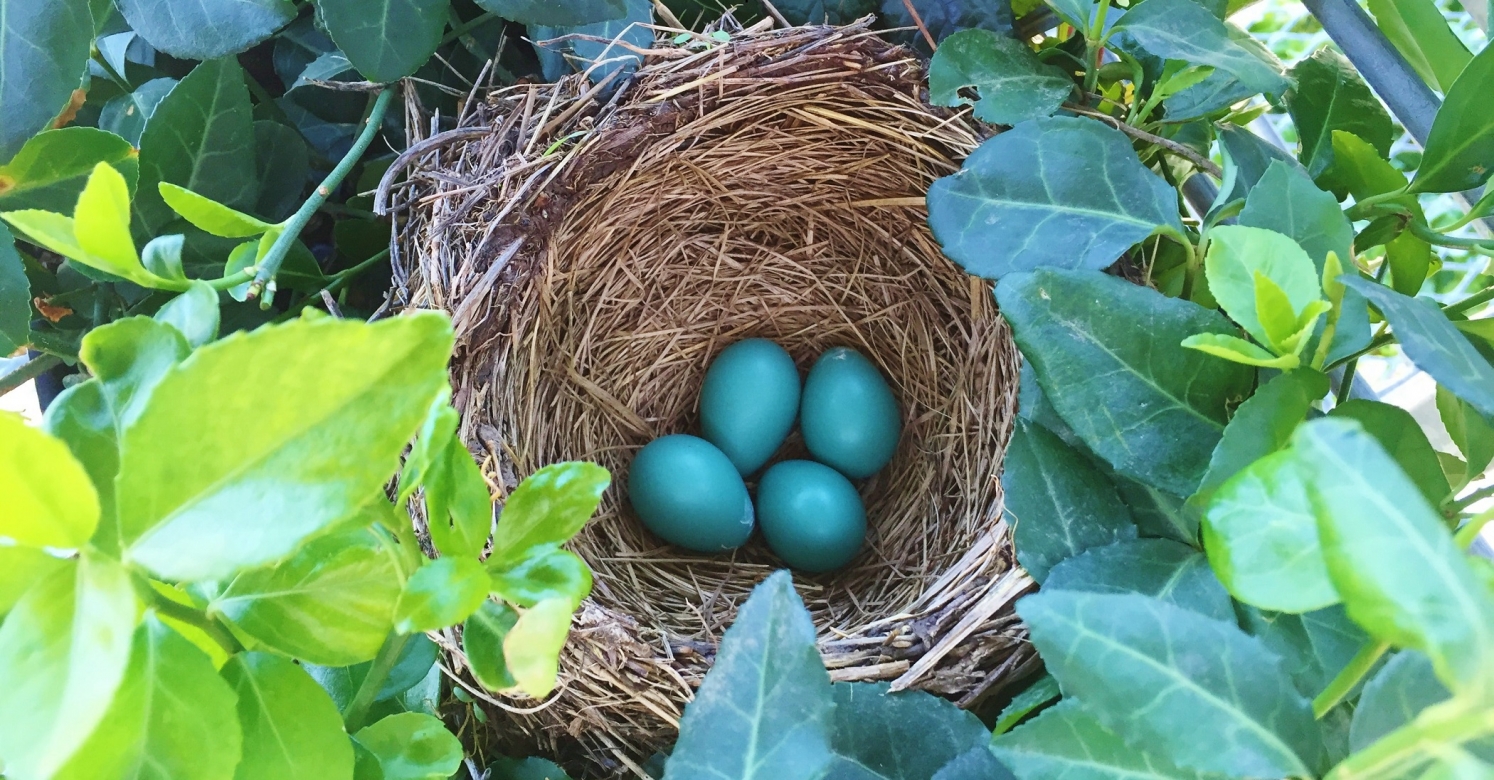
It starts before you see anything. 🪶
You’re halfway upthe trail when the forest begins to wake up. A flash of yellow darts through the trees. Something whistles, clear and bright. The kids stop, heads tilted, listening.
“Did you hear that?”
Spring hiking isn’t just about the views, it’s about the soundtrack. And in places like Pennsylvania’s forests and state parks, that soundtrack belongs to birds returning from long migrations, filling the woods with energy again.
Meet the Stars of Spring

Warblers
Tiny, colorful, and always on the move, warblers are like flying confetti in the trees. In Pennsylvania, species like the Yellow Warbler and Black-throated Green Warbler pass through during migration.
👉 Fun challenge: Can your family spot one before it disappears?
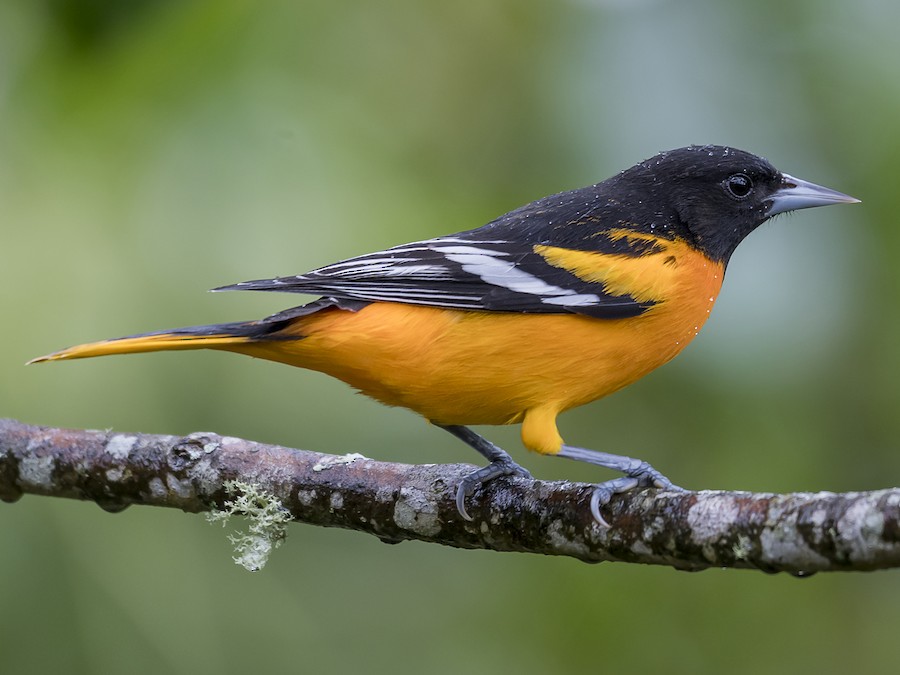
Baltimore Oriole
Bright orange and black, these birds are hard to miss once you know what to look for. They love open woods and forest edges—perfect for many hiking trails. Their flute-like song often gives them away first.
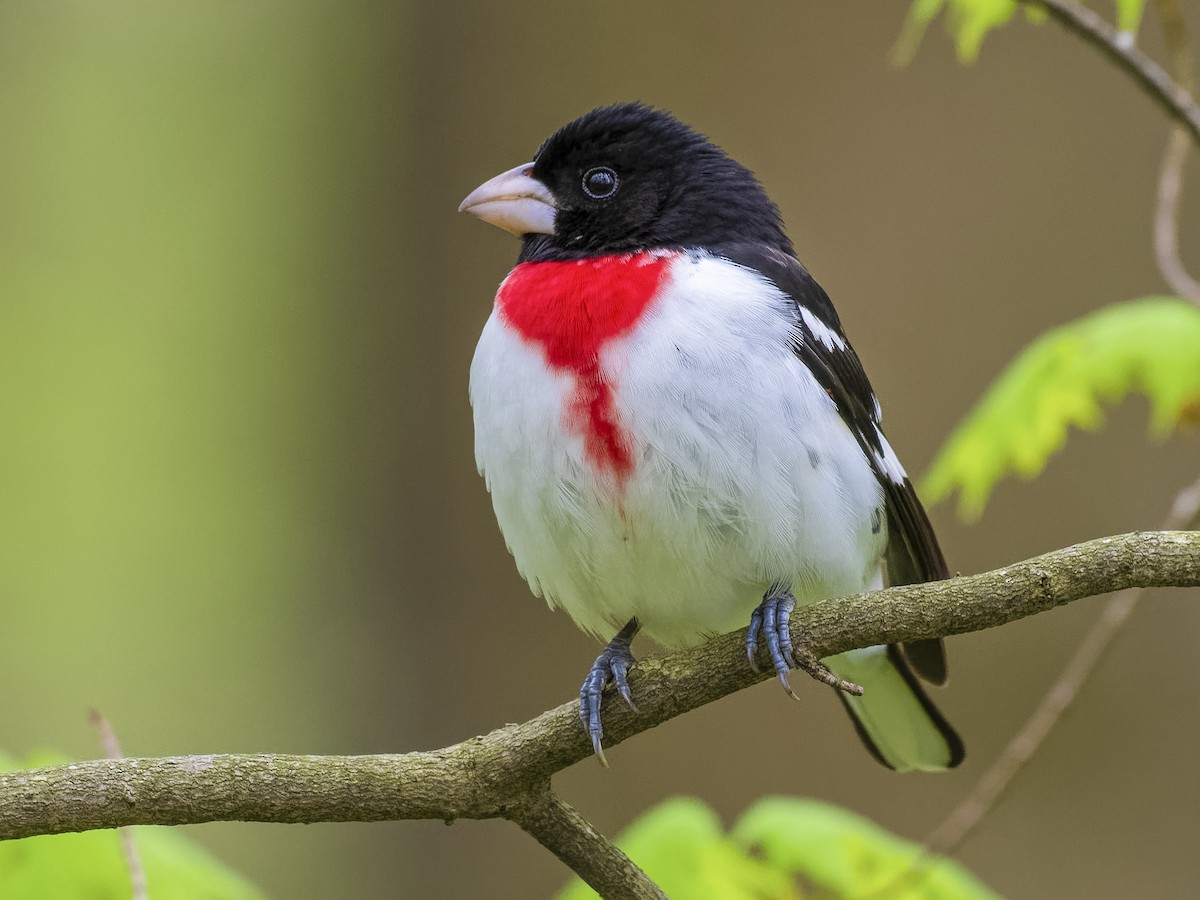
Rose-breasted Grosbeak
With a bold red patch on its chest, this bird looks like it dipped itself in paint. Their song is often compared to a more polished version of a robin’s—familiar, but richer.
Ruby-throated Hummingbird
A favorite for all ages. These tiny birds zip through the air, wings humming so fast they’re almost invisible. In spring, they return to Pennsylvania and are often seen near flowering plants or even along sunny trail edges.

How to Start Birdwatching (Without Feeling Overwhelmed)
Here’s the good news: if you’re already hiking, you’re already birdwatching.
You don’t need expensive gear or expert knowledge—especially when you’re out with family. Start simple:
- Use your ears first. Birds are often heard before they’re seen.
- Pause more than usual. Kids actually love this—it turns the hike into a game.
- Bring binoculars if you have them, but don’t stress if you don’t.
Apps like Merlin Bird ID (from the Cornell Lab) can help you identify birds by sound, which feels almost like magic the first time you use it.
Most importantly, let curiosity lead. You don’t need to name every bird to enjoy the moment, sometimes it’s enough to say, “Did you see that one?”

Turn It Into a Mini Adventure
Birdwatching on a hike becomes a whole different experience when you turn it into a family challenge.
Try this on your next trail outing:
- The “5 Birds” Challenge: Spot or hear five different birds before you reach the end.
- Color Hunt: Who can find the brightest bird? (Hint: Baltimore Orioles usually win.)
- Sound Match Game: Hear a bird, then try to spot it together.
You can even let kids “lead” the hike, stopping the group whenever they hear something interesting. This transforms the outing from a simple walk into an exploration.
Research shows that interactive outdoor activities like these help kids stay engaged longer and build stronger connections to nature.
On the way back down the trail, things feel different
The same woods, the same path—but now you notice more. The quick flash of a warbler doesn’t go unseen. That distant call? You pause, listening a little longer this time.
Spring hiking in Pennsylvania has a way of doing that. It slows you down just enough to notice the small things: wings in motion, songs in the trees, the feeling that something has returned.
Next time you head outside, take your time and listen!
⬇️ Book your next Kids and Family Hike below.
Sources
Cornell Lab of Ornithology. (2025). All About Birds (Warblers, Grosbeak, Merlin App).
Louv, R. (2008). Last Child in the Woods.
National Audubon Society. (2024). Baltimore Oriole Guide.
Pennsylvania Game Commission. (2024). Common Birds of Pennsylvania.
U.S. Fish & Wildlife Service. (2024). Ruby-throated Hummingbird.